


Personal money management advice is the cornerstone of financial freedom, and in this post, I’m going to walk you through a fresh, easy‑to‑understand framework. I’ve tried countless systems myself, and when I landed on these 6 steps, I finally felt in control of my money!
Because your journey matters, I’ll blend relatable, actionable tips with a sprinkle of motivation so you can build wealth without headaches. Keep in mind , these tips are guides that need to be adjusted based on your own personal circumstances.
There is no such thing as a “one size fits all” approach when it comes to finance, so take these tips and adjust them accordingly; I promise it will lead to positive financial changes in your life if you can do that.
1. Embrace Your “Money Personality”

Ever wonder why budgets feel like punishment? I did too, before discovering that we each have a distinct money personality. Are you the Spender, the Saver, or the Avoider? Recognizing your style helps tailor the perfect strategy for personalized, data-based approaches.
When I saw myself as an Avoider, I stopped ignoring my bank statements and instead set a simple Sunday ritual—10 minutes with coffee and my finances. And guess what? That small habit helped keep my recklessness in check.
Because it’s personal, start by reflecting:
- How often do you check your balances?
- Do you feel excited or anxious when thinking about money?
The point is that when you identify your tendencies, then design systems that align with them, you don’t end up fighting yourself every time payday hits. It’s personal awareness that pays off the most, which is why this is the first major finance tip.
2. The “3‑Jar Strategy” with a Twist

Traditional “envelope” budgets get a bad rap for being rigid. My version tweaks that for modern life. Because I’ll be honest and say I do not think there are too many people who even carry around pockets of cash and change to add to jars anymore.
Luckily for us, living in modern-day society, most banks offer ways to organize your finances, either by adding a designated savings account or checking account, which can usually be set up with an app or after signing in to your bank account online.
However, you choose to organize your money, these are the 3 categories I suggest using to organize and manage your finances better:
- Essentials
- Goals & Growth
- “Fun”
What’s unique is rotating the Fun jar monthly, which can sometimes be date nights, sometimes skill courses, sometimes nothing at all. This keeps your budget flexible and syncs with life’s surprises.
When I dedicated June’s Fun to a new fishing pole (my side passion), I took it to use at my favorite local lakes and ponds. So this strategy not only manages money, it inspires momentum built for fun as well.
Don’t overlook how important this section is, either. Creating “fun money” is just as important as the essentials and goals money. This is because you want this process to feel less like a chore and more like something you enjoy doing.
If you’re still figuring out how to structure your money flow, learn how to make a personal budget in 6 simple steps to set a solid foundation.
3. Automate Smartly, Not Blindly

Automation is great until you forget about it and let it drain your account.
Here’s a smarter setup:
- Automate Essentials: rent, bills, insurance.
- Automate Goals: transfer to savings, investments, retirement.
- Review Monthly: tweak fun‑d and discretionary flows.
Because I track monthly, I avoid over-saving during lean weeks and prevent guilt‑spiral spending months. That monthly review has saved me from surprise overdraft fees more than once.
To take your habits to the next level, check out how to manage money like a pro and save more than you spend without sacrificing joy.
4. “Slack‑Adjusting” – Anticipate Life

Life isn’t linear, so why should your budget be? I use what I call “slack‑adjusting”—small built‑in buffers for those unpredictable moments.
Because I know Ebike repairs or dentist visits often can catch people off‑guard, it’s smart to assign 5% of monthly income to a “slack buffer.” It’s not quite savings, not quite spending, it’s a financial shock absorber.
This mindset shift makes financial bumps feel manageable, not devastating. Plus, it builds confidence: when things pop up, you don’t need to panic.
5. Track Trends, Not Transactions

I used to obsess over every $4 streaming charge, which left me stressed and confused. Then I realized the game was in trends, not transactions.
So now I chart weekly costs: groceries, bills, fun. I look for shifts—did entertainment spike this month? Did grocery costs climb? After one look I can ask myself “what changed?”
By evaluating trends, not fretting over pennies, I focus on decisions that move wealth, not stress. And let’s be honest—financial stress is a thief of productivity and joy.
For a more future-focused approach, explore 10 ways to manage personal finance strategically in 2025 and stay ahead of financial trends.
6. Pair Money Goals With Lifestyle Goals

A budget without purpose is a chore. I realized the truth when I matched a savings goal with a lifestyle goal: “Save $3,000 by December, then buy an electric cruiser ebike” to save money on transportation, such as wear and tear on my car. Suddenly, money was fun again.
So sketch a vision board: that bike, that trip, that home gym—and let the numbers flow from there. When every dollar has a purpose, every dollar feels powerful, and finances can become more engaging and important, which lets you manage them better, too.
personal money management advice FAQ’s
Commonly asked questions for personal money management advice:
What’s the best budget method for beginners?
Start simple: categorize just three buckets—needs, goals, and joy. Keep it flexible so it doesn’t feel like punishment.
How often should I check my budget?
Once a week for trends and once a month for review. That’s enough to catch issues but not so often it becomes anxiety.
What’s the ideal emergency fund size?
Aim for 3–6 months of expenses as your “slack buffer.” You’ll thank yourself when life inevitably surprises you out of nowhere, because it will.
Is tracking every expense worth it?
Not for everyone. Focus on trends in categories rather than every line item to avoid burnout and maintain clarity.
Apps and Spreadsheets That Work Like Magic
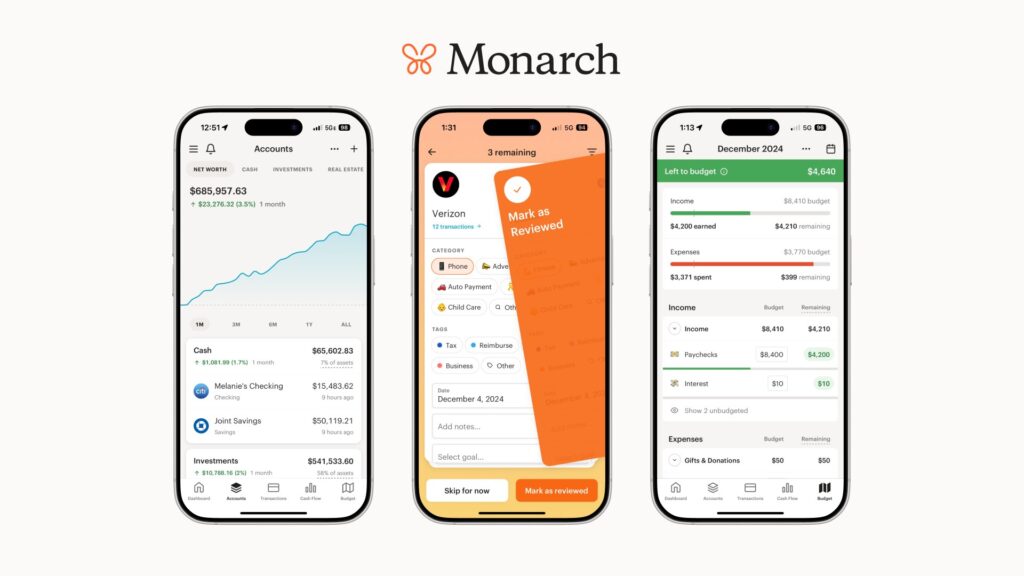
Managing money manually is like running a race with a weighted vest. Sure, it’s possible, but why struggle when tools exist to make life easier?
I’ve tested dozens of apps and spreadsheet templates, and here’s the truth: you don’t need 10 apps. You just need one that works for you. My personal go-to?
Monarch Money for real-time tracking and forecasting. It does all the work for you and automatically tracks your money while showing you helpful charts, graphs, and ways you can better manage your finances (well worth it to me)!
It’s powerful yet simple enough to not feel overwhelming. For spreadsheet lovers, a custom-built Google Sheet with visual graphs can give you just as much clarity—and full control.
Because financial tech evolves, stay flexible. Every quarter, I audit my tools to check: is this helping, or just adding noise? Trim the tech fat often, and you’ll stay lean, focused, and frictionless.
Scarcity vs. Abundance: Rewiring Your Money Mindset
Here’s something few money blogs talk about: how your beliefs about money shape your entire financial destiny. If you grew up hearing “money doesn’t grow on trees” or “we can’t afford that,” chances are you’re still carrying scarcity wiring.
That mindset? It limits risk-taking, breeds fear, and sabotages financial growth.
Switching to an abundance mindset changed everything for me. I started thinking in terms of possibility: “How can I afford this? What value can I create to earn more?” That shift made me see income as unlimited and opportunity as everywhere.
Practical step? Start a “Gratitude-to-Growth” journal. Write down one financial win each week—even small ones. It rewires your brain to notice success, not struggle.
Want to grow your business while leveling up your finances? Tap into these 2025 trends and tips to move forward with clarity.
Once You’re Stable, It’s Time to Grow: 4 Next-Level Moves
Okay, you’ve built the habits, created buffers, and you’re tracking trends. Now what? Here’s where you shift from managing money to multiplying it.
1. Invest What You Understand
I’m not a fan of day trading (close to gambling) or “hot stock tips.” What works is slow, steady investment in what you know. ETFs, index funds, or real estate can all grow wealth if they align with your knowledge and risk tolerance.
I use Webull and Coinbase to invest in stocks I truly believe in and can see providing me long-term wealth, as well as crypto.
2. Boost Income with Purpose
Instead of just cutting expenses, build income. I once turned a weekend writing hobby into a $1,000/month freelance gig. Ask yourself: what skill can I scale?
If you’re building something on the side or full-time, don’t miss these financial planning tips for entrepreneurs—especially when taking calculated risks.
3. Level Up with Communities
Join finance forums, attend meetups, or build your own money mastermind group. Shared accountability fuels progress.
4. Design for Passive Progress
Set recurring investment contributions, and automate business funnels or content that earns while you sleep. Because when your money works harder than you do, you’re winning.
Concluding Personal Money Management Advice
The best personal money management advice isn’t about cutting lattes or memorizing spreadsheets. It’s about finding a rhythm that fits your life and making consistent, intentional progress.
No one becomes wealthy by accident. But everyone can become wealthy with a plan, a system, and a belief that they deserve it. Start small, stay consistent, and give your future self the greatest gift possible: financial freedom.