

Let’s be honest—travel budgeting used to sound like a buzzkill. Back in the early days of travel, I thought planning every dollar meant sacrificing fun and spontaneity. But what I quickly learned is that a smart travel budget doesn’t limit your adventure, it actually unlocks it.
Whether you’re planning a weekend escape or a month-long sabbatical, budgeting gives you freedom. You can say “yes” to experiences you actually want and “no” to overpriced nonsense.
The goal isn’t to travel less—it’s to travel better and more intentionally. Now, with travel rewards programs like United Airlines, Southwest Airlines Rapid Rewards, and HawaiianMiles, even long-haul flights can cost next to nothing if you plan ahead.
If budgeting still feels overwhelming, take a moment to build your financial foundation first—this guide to making a personal budget in six simple steps will help you get clarity and momentum fast.
Reverse Engineer Your Dream Trip: Budget From Destination Backwards
Instead of picking a price and hoping it works, start by building your dream trip on paper. Pick your destination, the ideal dates, and your must-do experiences. Then reverse engineer what it would cost.
Flights, accommodation, transportation, food, activities—tally it all up. I use Monarch Money to track and manage all my finances, which really upgraded my good financial habits!
You might find it’s more affordable than you thought. Once you have a rough total, you can create a savings plan and look for smart hacks to cut that cost.
like booking award flights through United Airlines MileagePlus, which offers major point bonuses for new credit card signups and frequent flyer deals if you’re flexible with dates.
A dream trip becomes achievable when you stop budgeting in the abstract and get laser-specific.
Before you even start planning your trip, you can stretch your everyday spending by using cash-back apps for groceries and household items—putting that “found money” straight into your travel fund.
Pick the Right Flight Program and Let the Miles Work For You
If you aren’t leveraging airline rewards, you’re leaving money (and flights) on the table. I’ve flown to several places for the cost of taxes and fees just by using points. Here’s how you can do the same.
United Airlines MileagePlus is a goldmine for international travel. When paired with a co-branded credit card, you’ll rack up points fast. Booking early and watching out for off-peak award flights can get you overseas for a fraction of the cost.
For domestic and budget-conscious travelers, Southwest Airlines Rapid Rewards is unbeatable. Their “Wanna Get Away” fares are cheap already, and Rapid Rewards makes them even more accessible. Plus, Southwest doesn’t charge change fees, which is great for flexible plans.
And for tropical wanderers (yes, Hawaii lovers, I see you), HawaiianMiles is a hidden gem. Their point system is straightforward, and even inter-island flights can be nearly free with points. Sign up, book smart, and let your paradise plans thrive without the price tag.
The Magical Travel Rule of Thirds: Split Your Budget Wisely
Here’s a travel budgeting rule I live by: divide your total trip budget into three buckets—transportation, lodging, and daily expenses. It’s not a hard science, but it keeps your spending in check without spreadsheets ruling your life.
Transportation includes flights, trains, car rentals, and public transit. If you play it right with Rapid Rewards or MileagePlus, this category can be slashed to a fraction.
Lodging depends on your travel style. Are you a hotel loyalist, Airbnb nomad, or hostel hero? Consider options like credit card reward portals or booking engines that offer points back.
Daily expenses include food, tours, souvenirs, and spontaneous fun. Give yourself room here so the trip doesn’t feel like a financial chokehold. A well-crafted daily budget with enough buffer makes you feel free—not frantic.
The Sneaky Way to Travel Longer for Less: Location Arbitrage
Here’s a travel budgeting tactic that can change everything for you, and it’s called location arbitrage. That’s just a fancy way of saying “stay where your money stretches further.”
Think about it—why blow $3,000 on five days of an overpriced, tourist-trap trip when that same amount could fund a month in Georgia and other amazing travel destinations?
When you consider cost of living, currency exchange rates, and off-season pricing, you can travel longer and better by choosing destinations strategically.
Southeast Asia, Eastern Europe, and parts of South America offer five-star vibes for three-star prices. You can even spend three weeks in Bali for less than a weekend trip to L.A. would cost you. No exaggeration.
Don’t Let Food Ruin Your Finances: How to Eat Well Without Overspending
Traveling without indulging in the local food scene? No thanks. But food is often where a budget can quietly unravel. A few too many spontaneous splurges and suddenly you’re wondering if your debit card still works.
Here’s how I keep it real: I aim for one splurge meal per day—something special, local, and unforgettable. The rest of the time, I go for budget-friendly eats like street food, grocery store snacks, and food markets.
Not only is this easier on your wallet, but it’s often more authentic. Try to stay in places with a kitchenette or shared kitchen. Even boiling pasta or making sandwiches for a few meals can free up extra money for experiences you’ll remember more than another overpriced café latte.
And when flights cost you next to nothing thanks to Southwest Airlines Rapid Rewards, suddenly there’s more room in the budget for all the tacos in Mexico City or sushi in Tokyo.
Use Travel Apps That Help You Budget in Real Time
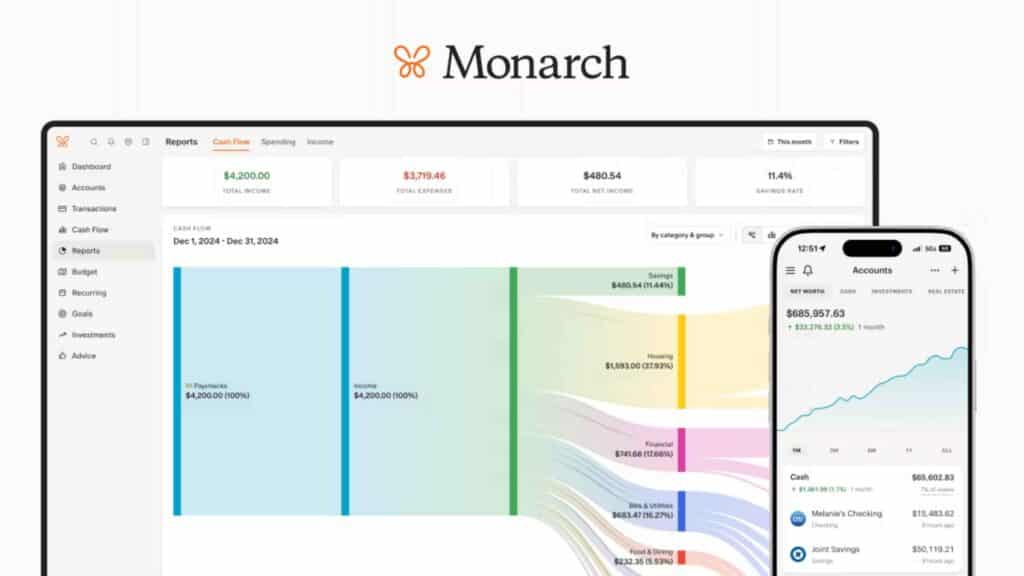
You don’t have to be an Excel wizard to master travel budgeting. These days, there are apps that do the heavy lifting while you sip wine by the Mediterranean. I use apps like Monarch Money to track every cent on the go.
It lets you set a daily budget, categorize expenses, and see where your money’s actually going. Having this data in real-time helps you adjust your habits before you blow your entire week’s budget on airport snacks and Uber rides.
It also makes it super satisfying to come home with money left over, ready to fund your next adventure. It becomes addictive in the best way once you start going on a savings roll.
Don’t Just Save—Earn While You Travel (Yes, Really)
Here’s a bold idea: What if your trip didn’t just cost less… but actually made you money? The rise of remote work, online side hustles, and travel-friendly gigs means you can earn income from anywhere.
I’ve been blogging for the past couple of years now and uploaded blog posts (like this one!) which I always have the power to take with me and finish on the go wherever I am.
It might not be for everyone, but if you can teach online, freelance, write, consult, or even run an online store, you can turn vacation into a working adventure.
And guess what? Many travel cards that offer MileagePlus, Rapid Rewards, or HawaiianMiles also have generous cashback on coworking, WiFi, and travel-related business purchases.
So instead of watching your bank account drain while you roam, you could be funding the next leg of your journey in real time.
For digital nomads or entrepreneurs on the go, learning how to create a budget for your business is just as crucial as managing your personal travel expenses—it keeps your income and adventures sustainable.
Even if you don’t freelance or run a business, you can still generate extra income with simple online tasks—yes, you can actually make money from surveys, and every bit adds up when you’re building a travel fund.
Travel Budgeting FAQ’S
Are budget airlines really worth it?
Absolutely—especially if you’re using Southwest Airlines Rapid Rewards. Budget airlines can save you hundreds, but read the fine print. You may need to pay for baggage, seat selection, or snacks. Still, if you pack light and fly smart, the savings are massive.
How can I earn miles or points fast?
Sign up for co-branded airline credit cards tied to HawaiianMiles, United Airlines, or Southwest Airlines. They often come with huge intro bonuses if you meet a minimum spend. Use those cards for everyday purchases, pay them off monthly, and watch your points soar.
What’s the biggest mistake people make when budgeting for travel?
They underestimate the “little” things—snacks, souvenirs, and spontaneous excursions. Build in a buffer so you’re not blindsided.
The key to great travel budgeting is building habits that actually last—and if you’re serious about long-term savings success, this guide on saving money on a budget is a must-read.
Final Thoughts: Travel Budgeting is the Skill That Unlocks the World
Here’s the truth: travel budgeting isn’t about restriction. It’s about intention. You become the architect of your own experiences—someone who can say yes to more because you’ve planned smart from the start.
By combining practical tools, a little bit of math, and powerful airline loyalty programs, you can make travel a regular part of your life, not just a once-a-year splurge. Because let’s face it—life’s too short not to see the world.